
introduction
Video Game Development Game is the exciting process of designing, building, and publishing interactive games that people can play on computers, consoles, and mobile devices. In 2026, game development has become more accessible than ever, even for complete beginners with no coding or design background. Thanks to powerful game engines, online tools, and global learning resources, anyone with creativity and dedication can turn ideas into playable games.
This beginner-to-pro guide to video game development game will help you understand the entire journey—from learning core concepts like game design, mechanics, and storytelling to mastering programming, graphics, sound, and optimization. You’ll discover how professional developers think, how games are planned and built step by step, and how beginners can avoid common mistakes. Whether your goal is to create indie games, work in a game studio, or build games as a hobby, learning Video Game Development Game opens the door to one of the fastest-growing and most creative industries in the world.
What Is Video Game Development?
Video game development is the process of designing, building, testing, and publishing interactive digital games for platforms such as PC, mobile, console, and web. It combines:
- Programming
- Game design
- Art & animation
- Sound design
- Storytelling
- Testing & optimization
A “video game development game” typically refers to the creation of a game using professional tools and engines that bring ideas to life.
Types of Video Game Development
Understanding the different categories helps you choose the right tools and path.
1️⃣ 2D Game Development
4
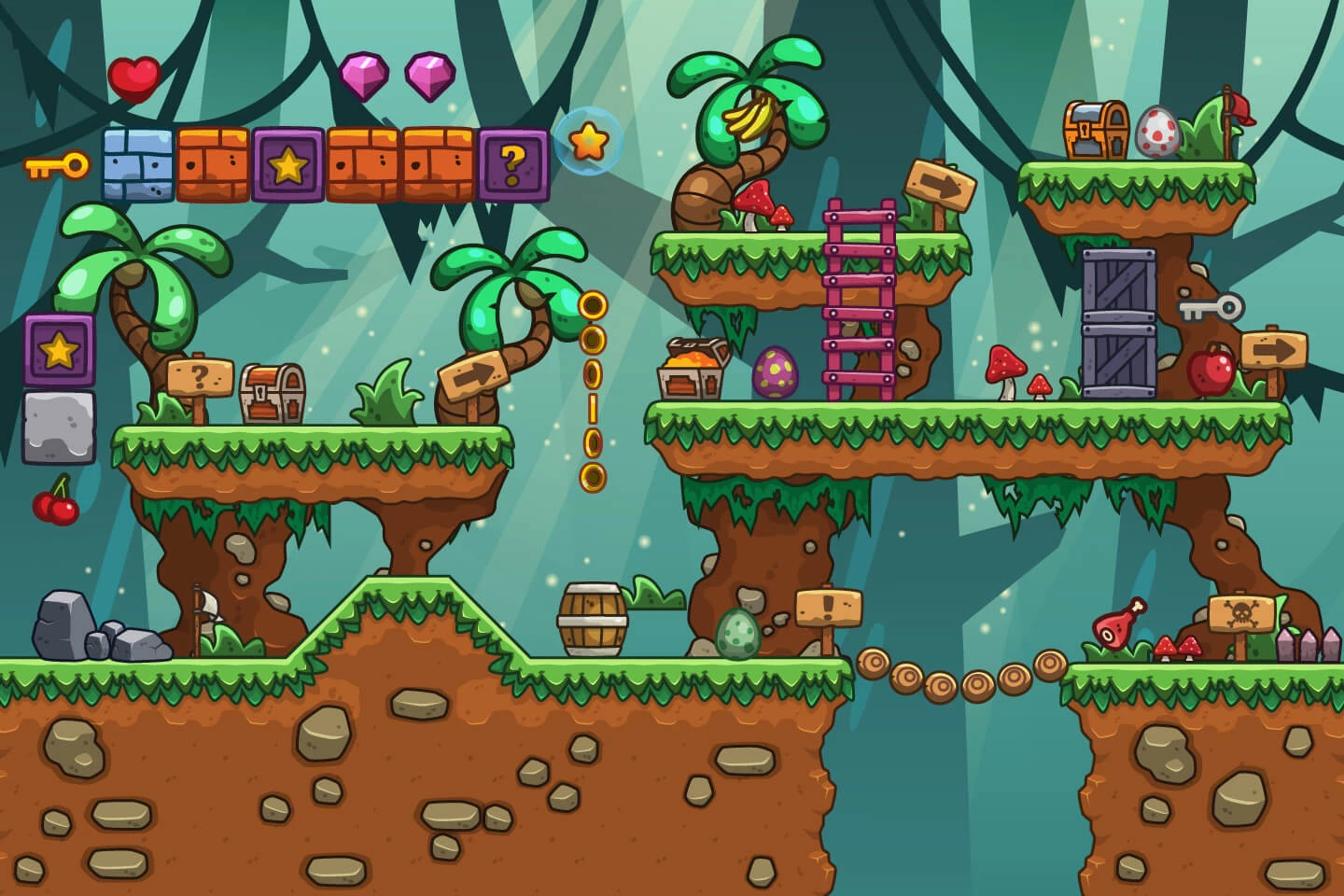
2D game development focuses on flat, two-dimensional gameplay, where movement happens along the X and Y axes.
Key characteristics:
- Simple visuals like sprites, tiles, and pixel art
- Easier to learn compared to 3D
- Lower system and hardware requirements
Common examples:
- Platformer games
- Puzzle games
- Casual mobile games
Why beginners start here:
- Faster development time
- Easier logic and physics
- Ideal for learning core game mechanics
Best for: Beginners, indie developers, mobile-first projects.
🕹️ 2️⃣ 3D Game Development
4
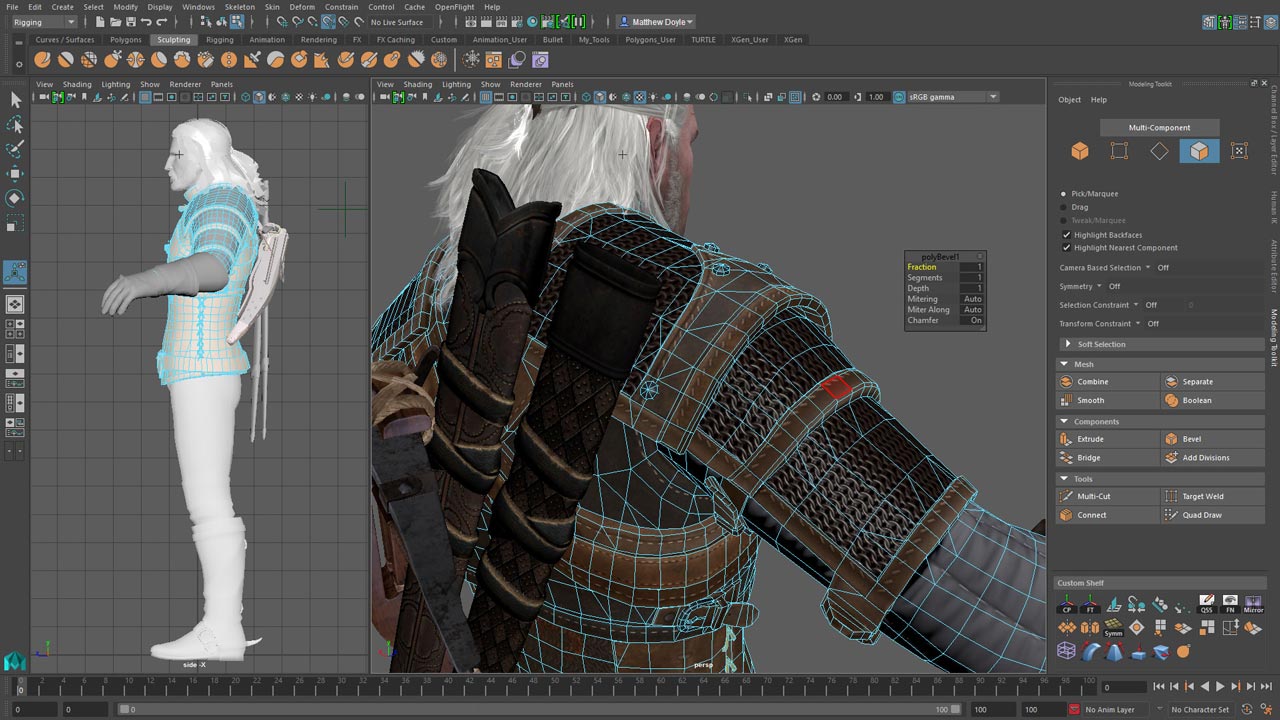
3D game development adds depth (X, Y, and Z axes), creating immersive and realistic worlds.
Key characteristics:
- Detailed environments and characters
- Advanced lighting, shadows, and physics
- More complex programming and design
Common examples:
- Action and adventure games
- Open-world games
- Simulation and racing games
Challenges:
- Steeper learning curve
- Requires stronger hardware
- Longer development cycles
Best for: Developers aiming for high-end or professional game projects.
📱 3️⃣ Mobile Game Development

4
Mobile game development targets smartphones and tablets, focusing on performance and user experience.
Key characteristics:
- Touch-based controls
- Short, engaging gameplay sessions
- Optimized performance and battery usage
Popular genres:
- Casual games
- Arcade games
- Strategy and puzzle games
Why it’s popular:
- Huge global audience
- Lower entry barrier
- High monetization potential through ads and in-app purchases
Best for: Beginners, solo developers, and commercial game creators.
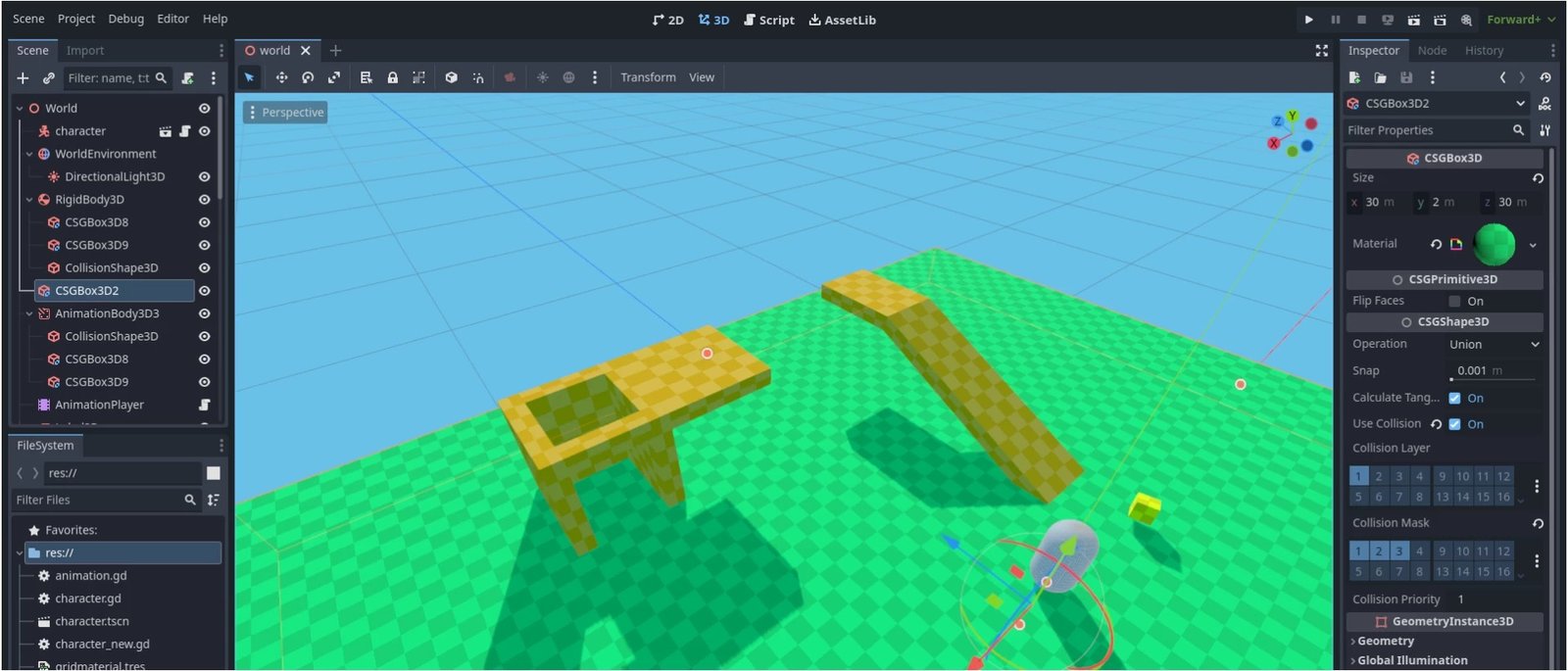
💻🎮 4️⃣ PC & Console Game Development
4
This category focuses on large-scale, high-performance games built for computers and gaming consoles.
Key characteristics:
- High-quality graphics and sound
- Complex gameplay systems
- Multiplayer and online features
Development style:
- Often team-based
- Requires advanced programming and optimization
- Longer testing and polishing stages
Why it matters:
- Higher production value
- Strong storytelling opportunities
- Professional studio careers
Best for: Advanced learners and those aiming for the game industry.
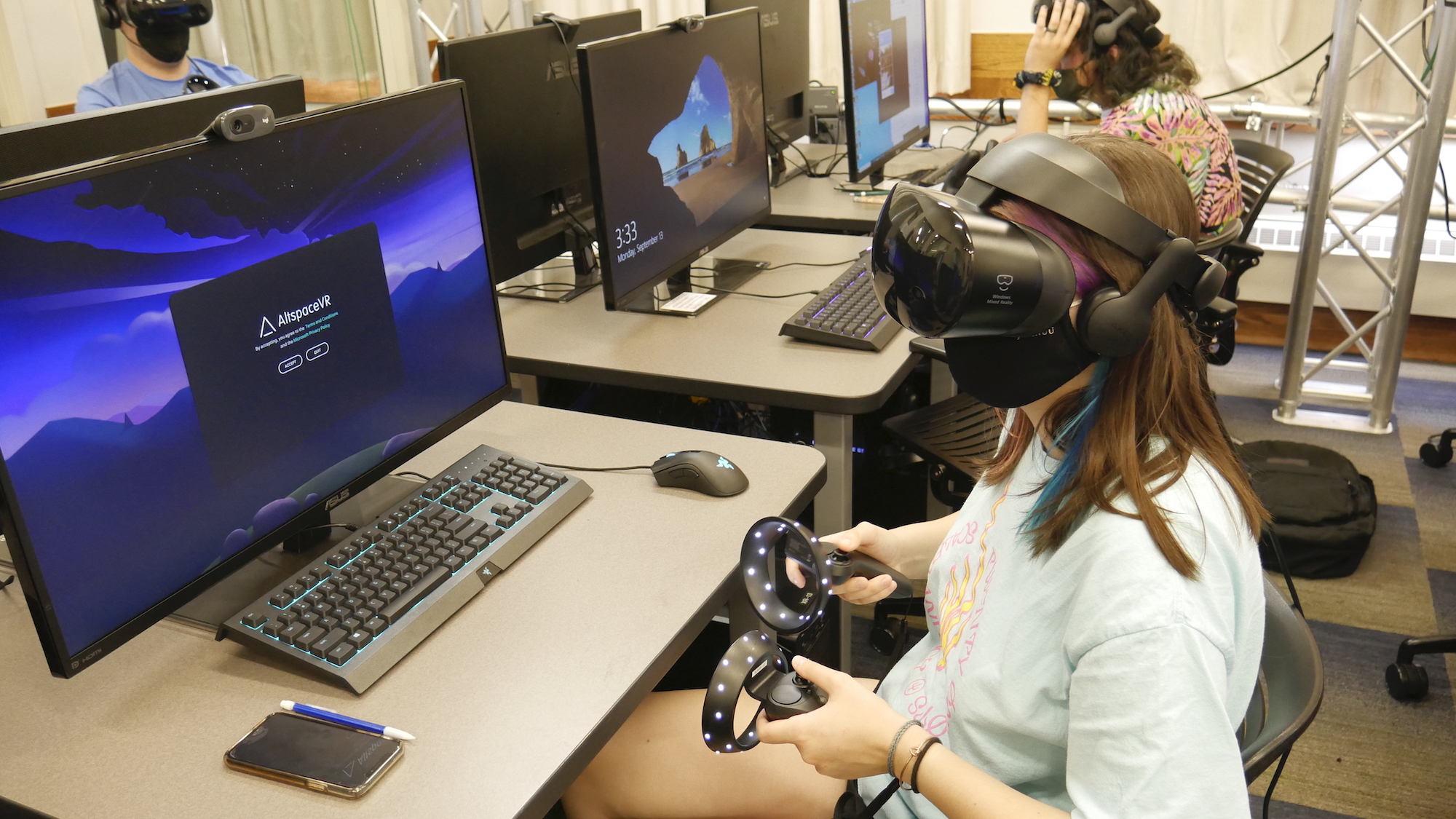
🥽 5️⃣ VR/AR Game Development
4
VR and AR game development creates immersive and interactive experiences beyond traditional screens.
Key characteristics:
- Motion tracking and spatial interaction
- Real-world integration (AR)
- Highly immersive gameplay
Examples:
- Virtual reality simulations
- Augmented reality mobile games
- Training and educational games
Challenges:
- Specialized hardware
- Performance optimization
- Motion sickness considerations
Best for: Developers interested in futuristic and innovative gaming experiences.
🎯 Final Insight
Each game development category serves a different goal:
- 2D & Mobile → Best for beginners
- 3D & PC/Console → Professional and high-end projects
- VR/AR → Future-focused innovation
Choosing the right category early helps you learn faster, stay motivated, and build the right skills for your game development journey 🚀
Best Game Engines for Video Game Development
1. Unity
Overview
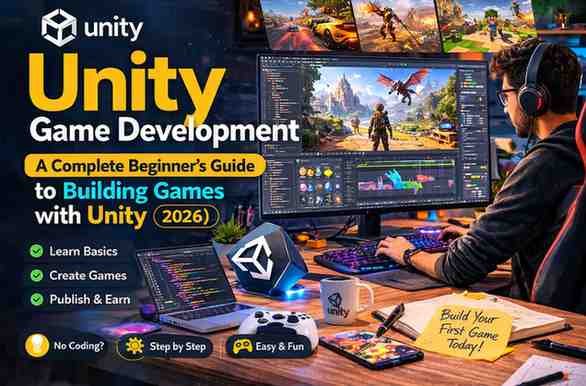
Unity is one of the most popular game engines worldwide. It supports both 2D and 3D development and is widely used by indie developers and studios.
Key Features
- C# scripting
- Cross-platform export
- Large Asset Store
- AR/VR support
Best For
Mobile games, indie projects, cross-platform releases.
Official Website: https://unity.com
2. Unreal Engine
Overview
Unreal Engine is known for cinematic graphics and AAA-level visuals.
Key Features
- Blueprint visual scripting
- Advanced lighting system
- High-quality rendering
- Multiplayer tools
Best For
High-end 3D games and professional studios.
Official Website: https://www.unrealengine.com
3. Godot
Overview
Godot is a free and open-source engine growing rapidly in popularity.
Key Features
- Lightweight
- GDScript (Python-like language)
- 2D & 3D support
Best For
Indie developers, beginners, students.
Official Website: https://godotengine.org
4. GameMaker
Best for 2D games and beginners wanting drag-and-drop tools.
Video Game Development Process (Step-by-Step)
1️⃣ Idea & Concept
Define your game genre, mechanics, and audience.
2️⃣ Game Design Document (GDD)
Create a structured plan covering:
- Gameplay mechanics
- Story
- Characters
- Art style
- Target platform
3️⃣ Prototyping
Build a small playable version to test mechanics.
4️⃣ Development
- Program core features
- Add art and sound
- Build levels
- Implement UI
5️⃣ Testing & Optimization
Fix bugs, improve performance, test on multiple devices.
6️⃣ Publishing
Release your game on:
- Steam
- Epic Games Store
- Google Play
- Apple App Store
Programming Languages Used in Game Development
- C# (Unity)
- C++ (Unreal Engine)
- GDScript (Godot)
- JavaScript (Web games)
You don’t always need advanced coding — visual scripting helps beginners.
Skills Required for Video Game Development
- Programming basics
- Problem-solving
- Creativity
- Basic math & logic
- 2D/3D design understanding
- Debugging skills
System Requirements for Game Development
Minimum Setup:
- 8GB RAM
- SSD storage
- Mid-range CPU
For 3D:
- 16GB RAM
- Dedicated GPU recommended
Cost of Video Game Development
Costs depend on project size:
- Solo indie game: $0–$10,000
- Small team: $10,000–$100,000
- AAA game: Millions of dollars
Many engines are free until revenue threshold.
Monetization Options
- Paid downloads
- In-app purchases
- Ads
- DLC expansions
- Crowdfunding
Income depends on marketing and demand.
Common Mistakes Beginners Make
- Starting with large projects
- Ignoring documentation
- Not optimizing performance
- Skipping marketing
- Giving up too early
Start small and grow gradually.
Beginner Roadmap
- Learn programming basics
- Choose a game engine
- Build a simple 2D game
- Publish a demo
- Collect feedback
- Improve and scale
FAQ
Is video game development hard?
It requires time and learning, but beginner tools make it accessible.
Can one person make a game?
Yes, many solo developers publish games successfully.
Do I need coding skills?
Basic programming helps, but visual scripting tools can reduce complexity.
How long does it take to develop a game?
Small games may take 3–6 months. Larger ones can take years.
Conclusion
Video game development is a powerful blend of creativity and technology. With engines like Unity, Unreal Engine, and Godot, anyone can start building games today. Free tools and online resources have lowered entry barriers significantly.
Success requires patience, practice, and smart planning. Start with a simple project, build your skills step by step, and gradually move toward larger games.
If you’re ready to enter video game development, download an engine today and begin your first project.
You have not enough Humanizer words left. Upgrade your Surfer plan.